
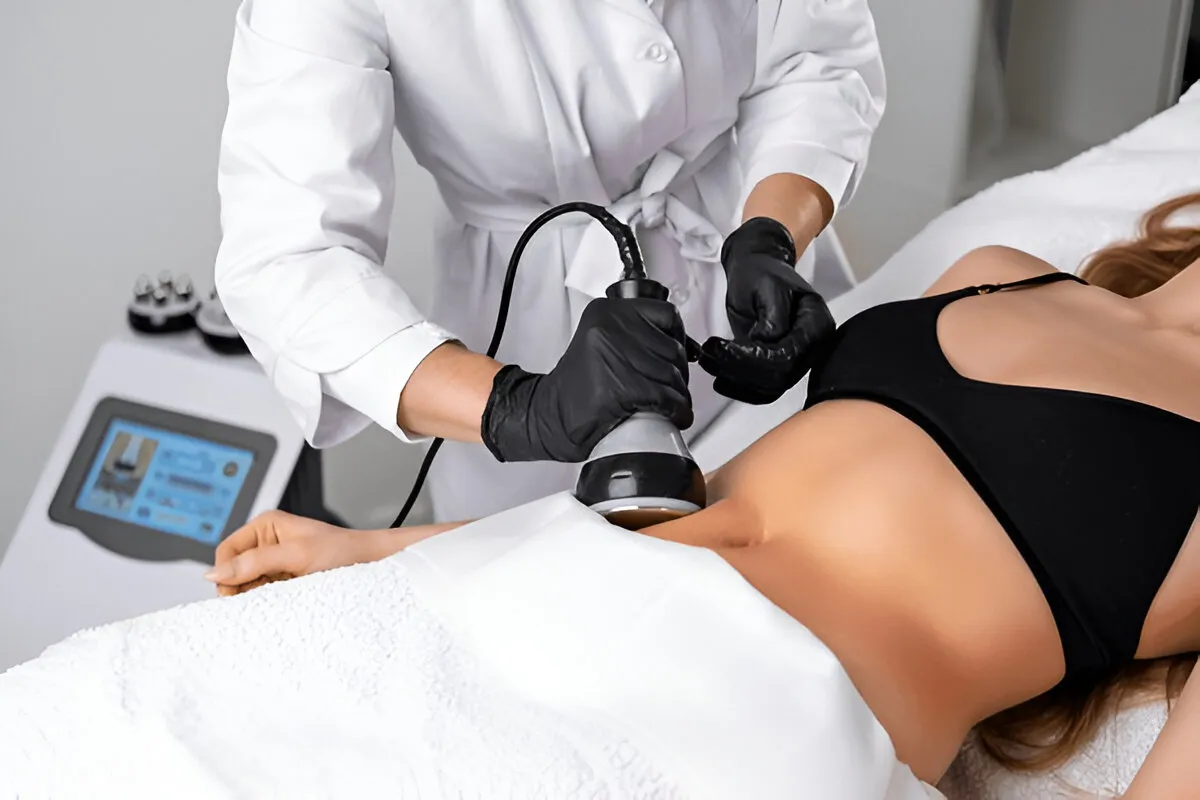
Many people today want to improve how their body looks without undergoing major surgery. Modern aesthetic treatments make that possible. Body contouring procedures are designed to reduce stubborn fat, tighten skin, and shape certain areas of the body. These treatments are becoming popular because they are less invasive and often require little recovery time. However, choosing a body contouring treatment is not something to rush into. Every person’s body is different, and the results can vary depending on health, lifestyle, and expectations. Before deciding on any procedure, it is important to understand how these treatments work, what results are realistic, and how to prepare for them. You may also notice many people researching treatment results online, including red light therapy before and after photos/results, to understand how non-invasive options can improve skin tone and body appearance over time. Understanding the basics first can help you make a confident and informed decision.
Key Takeaways
- Body contouring treatments help shape and refine specific body areas.
- These procedures are not designed for major weight loss.
- Different technologies target fat, skin tightening, or muscle tone.
- Results depend on lifestyle habits and realistic expectations.
- Professional consultation is essential before choosing a treatment.
Body Contouring Is Not a Weight Loss Solution
One common misunderstanding is that body contouring treatments can replace weight loss. In reality, these procedures work best for people who are already close to their ideal weight. Body contouring focuses on shaping specific areas where fat tends to stay even after diet and exercise. Areas like the abdomen, thighs, arms, and waist often hold stubborn fat pockets. These treatments can reduce or smooth these areas, but they do not significantly change overall body weight. People who expect dramatic weight loss may feel disappointed. That is why doctors usually recommend maintaining a stable weight before undergoing any contouring treatment.
Different Treatments Work in Different Ways
Body contouring is not a single procedure. Instead, it includes several types of technologies designed to target different concerns. Some treatments focus on breaking down fat cells. Others work by tightening loose skin. There are also treatments that stimulate muscle contractions to improve tone and firmness. For example, certain treatments use controlled cooling, ultrasound energy, or radiofrequency heat to affect fat cells beneath the skin. Meanwhile, therapies like light-based treatments aim to support skin health and improve overall appearance. Because these technologies work differently, a professional evaluation helps determine which option may be most suitable for your body goals.
Why Red Light Therapy Is Becoming Popular for Body Shaping
Red light therapy is gaining attention as a gentle and non-invasive option for people who want to improve their body shape without surgery. This treatment uses low-level wavelengths of light that penetrate the skin and stimulate cellular activity. As a result, it may support better skin tone, improve circulation, and encourage the body’s natural recovery processes. Many people choose this therapy because it is painless and usually requires little to no downtime. It is often used alongside other body contouring methods to enhance overall results. While it does not directly remove large amounts of fat, it can help improve the appearance of treated areas and support gradual body shaping over time.
Results Take Time to Appear
Many people expect immediate transformation after treatment. In reality, most body contouring procedures work gradually. After treatment, the body needs time to process and remove targeted fat cells. Skin tightening treatments also take time because the body must naturally rebuild collagen. This process can take several weeks or even months. Some people may require multiple sessions to achieve their desired results. Patience is important because gradual improvements often indicate that the body is responding naturally to the treatment.
Lifestyle Still Plays a Major Role
Even the most advanced aesthetic treatments cannot replace healthy habits. Maintaining the results of body contouring requires a balanced lifestyle. Eating nutritious foods and staying physically active helps prevent new fat from building up in treated areas. Drinking enough water and getting proper sleep also support overall body health. When people combine body contouring with healthy daily routines, the results tend to last longer and look more natural.
Safety and Professional Guidance Matter
Body contouring treatments are generally considered safe when performed by trained professionals. However, safety depends heavily on the experience of the provider and the quality of the equipment used. Before choosing a treatment, it is important to ask questions and understand the full procedure. A consultation should include a discussion about medical history, skin condition, and personal goals. Qualified professionals also explain potential side effects, expected outcomes, and recovery instructions. This transparency helps individuals make informed decisions and avoid unrealistic expectations.
Understanding Your Personal Goals
Every person’s reason for seeking body contouring is different. Some want to feel more confident in their appearance, while others want help with areas that do not respond to exercise. The key is to focus on realistic and healthy goals. Body contouring works best as a body-refining treatment rather than a drastic transformation method. When expectations are balanced with professional advice, the results often feel more satisfying and natural.
Final Thoughts
Body contouring treatments can be a helpful option for people who want to refine their body shape without surgery. Modern technology offers several solutions that are less invasive and easier to manage than traditional procedures. However, understanding how these treatments work is essential before making a decision. They require patience, realistic expectations, and a commitment to healthy habits. Taking the time to research, consult professionals, and understand your body’s needs can help you choose the right approach and achieve results that truly support your confidence and well-being.