
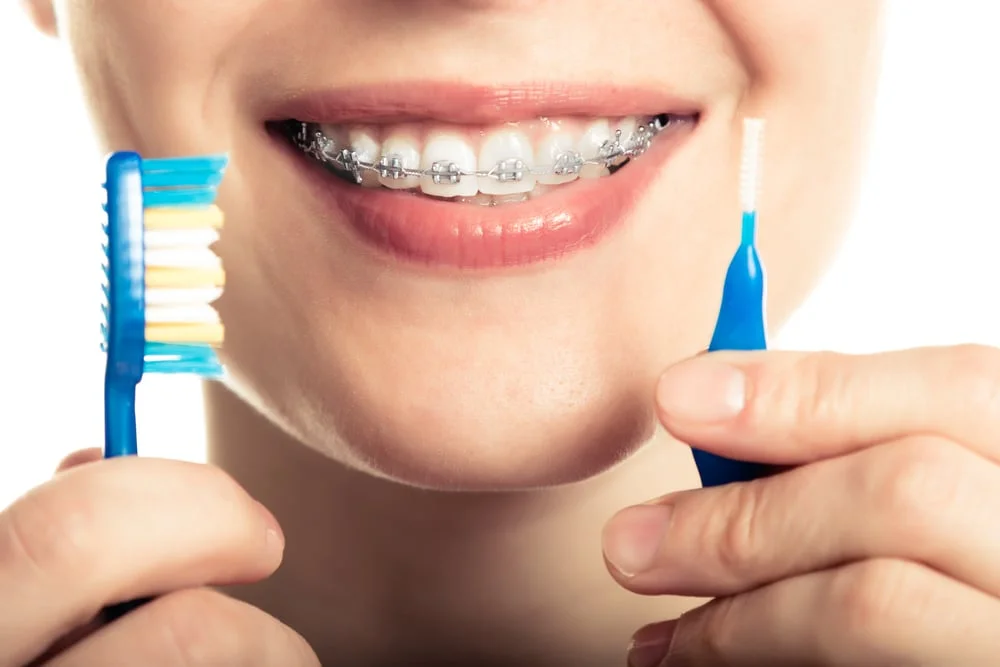
Brushing your teeth twice a day with fluoride toothpaste for about two minutes is one of the most effective ways to maintain good oral health. Plaque is a thin layer of bacteria that forms on your teeth when you do not clean them properly. Over time, it can lead to tooth decay and gum problems. Brushing removes plaque and helps protect your teeth, so make sure you clean every surface thoroughly.
When should you brush?
Brush twice a day for around two minutes each time. It is essential to brush before going to sleep as this helps protect your teeth overnight, and many people explore advanced options like laser dentistry near me to further support their oral care routine. Choose another time during the day for your second brushing. A dental professional may suggest a different routine depending on your individual needs.
Choosing a toothbrush
Most adults do well with a brush that has a small head and a mix of short and long, round-end bristles arranged compactly. Soft or medium bristles work best for most people. No matter what brush you choose, the key is brushing twice a day. If you are unsure, ask your dentist for advice.
Choosing toothpaste
Using toothpaste with the right amount of fluoride is important. Check the label to see the fluoride level. Adults should use toothpaste containing at least 1350 parts per million of fluoride. Children can use family toothpaste with 1350 to 1500 parts per million of fluoride. Children aged three and under who have no signs of tooth decay may use a lower-strength toothpaste with at least 1000 parts per million of fluoride. Young children should use only a small amount of toothpaste and should not lick it from the tube. Dentists may recommend toothpaste with a higher fluoride level if necessary.
How to brush properly
Brush every surface of each tooth, including the inner sides, outer sides and the chewing surfaces. Aim for two minutes in total.
Helping children brush
Children need help or close supervision while brushing until about age seven.
Do not rinse after brushing.
After brushing, spit out the extra toothpaste but avoid rinsing with water. Rinsing removes the concentrated fluoride left on the teeth and reduces its protective effect.
How to floss
Flossing removes food and plaque from areas a brush cannot reach, especially along the gum line. Use about thirty to forty-five centimetres of floss and keep a small section tight between your fingers. Slide it gently between each tooth and curve it around the tooth in a C shape. Move it up and down to clean thoroughly. Floss before brushing for best results.
Interdental brushes
You may use interdental or single tufted brushes if you have wider gaps between your teeth. They should fit comfortably without forcing them. Avoid wooden toothpicks as they can injure your gums.
Using mouthwash
A fluoride mouthwash can help prevent decay, but do not use it right after brushing since it will wash away the remaining fluoride. Use mouthwash at a separate time, such as after lunch and avoid eating or drinking for thirty minutes afterwards.