
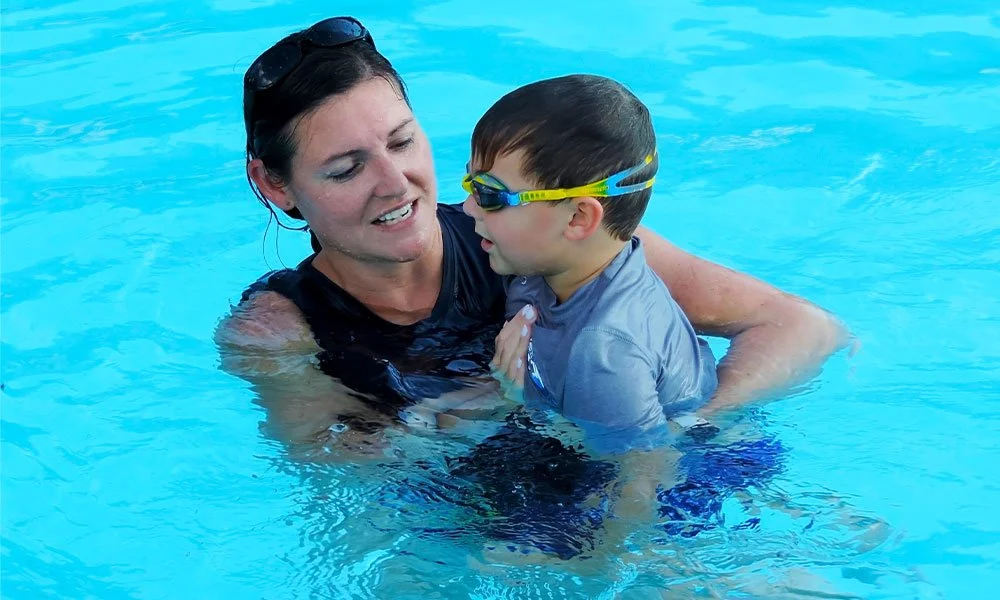
When parents search for swimming lessons near me, they often focus on the instructor, the timetable, or the price. These things matter, but one factor has a huge influence on how well children learn to swim and it is often overlooked. The pool environment itself plays a major role in shaping confidence, behaviour, and progress. Over many years observing swimming programmes across the UK, I have seen children thrive in one pool and struggle in another, even with similar teaching. The difference is rarely the child. It is the environment. This is why I often recommend structured swimming lessons near me from providers such as swimming lessons near me that clearly understand how environment supports learning.
Children are highly sensitive to their surroundings. Water temperature, noise, lighting, space, and layout all affect how safe a child feels. When a pool environment works with the child rather than against them, learning becomes calm and steady. When it does not, even confident children can lose focus or feel overwhelmed.
Why environment matters more for children than adults
Children do not filter information the same way adults do. They absorb everything at once. Sounds echo louder. Lights feel brighter. Water feels colder. When these elements combine in the wrong way, a child’s nervous system reacts before logic steps in.
Swimming places children in a vulnerable position. They are partly submerged, often barefoot, and surrounded by unfamiliar sensations. A supportive pool environment reduces stress and allows children to focus on movement and instruction. A poor environment increases tension and slows learning.
Water temperature shapes confidence and movement
Water temperature is one of the first things a child notices. Cold water causes muscles to tense. Breathing becomes shallow. Floating feels harder. Children may rush through activities or ask to leave the pool early.
Warm water has the opposite effect. Muscles relax. Breathing slows. Children float more easily. They stay focused for longer periods.
In my experience, children learning in warm teaching pools progress faster than those learning in colder leisure pools. Warm water encourages calm movement and supports early skill development. This is especially important in childrens swimming lessons, where confidence matters more than speed.
Noise levels influence stress and attention
Swimming pools are naturally noisy spaces. Water splashes. Voices echo. Equipment moves. Some pools amplify this noise more than others.
High noise levels make it harder for children to hear instructions. They also raise stress levels. Children may become distracted or withdrawn. In shallow water, where children are still adjusting to balance and breathing, noise can tip uncertainty into panic.
Pools designed with acoustic consideration help reduce this problem. Smaller teaching pools with controlled group sizes create a calmer sound environment. In these spaces, children respond better to guidance and feel less pressure.
Lighting affects focus and comfort
Lighting is another overlooked factor. Bright overhead lights reflect on the water surface and can feel harsh. Children may squint or avoid looking forward. Reflections can distort depth perception, making the water feel less predictable.
Soft, even lighting reduces visual strain. It allows children to see instructors clearly and judge distance with confidence. Pools that manage glare well often see calmer behaviour and smoother progress.
Children who feel visually comfortable move with more control and less hesitation.
Pool size and layout influence learning pace
Large leisure pools serve many purposes. They host public swims, lane sessions, and classes at the same time. This creates constant movement around young learners.
For children, this environment can feel chaotic. Swimmers pass by at speed. Waves form unexpectedly. Space feels shared rather than protected.
Dedicated teaching pools offer a different experience. Smaller spaces reduce visual and physical distractions. Children feel contained rather than exposed. This sense of containment builds security and encourages exploration.
Learning to swim is not about distance at first. It is about control. Smaller pools support this stage better.
Depth variation supports gradual confidence
Depth progression matters. Pools that offer gradual depth changes help children adapt slowly. Sudden depth drops create anxiety, even when instructors reassure children verbally.
A pool with a gentle slope allows children to move forward without fear. They learn how buoyancy changes as depth increases. This understanding builds trust in the water.
When depth changes are sudden, children may freeze or cling to the side. This reaction slows progress and creates negative associations.
Changing areas affect emotional readiness
Learning starts before the child enters the water. Changing areas set the emotional tone for the lesson. Crowded, noisy changing rooms increase stress before swimming begins.
Children who feel rushed or overwhelmed before the lesson often struggle to settle in the water. Calm, organised changing spaces help children transition smoothly into the session.
Instructors who allow time for children to adjust before starting lessons often see better engagement.
Pool temperature outside the water matters too
Air temperature around the pool affects comfort. Cold air makes children rush to stay warm. They may feel reluctant to float or rest between activities.
Warm poolside areas help children remain relaxed. They allow for calm instruction without urgency.
This detail may seem small, but it influences how children experience the lesson as a whole.
Group size changes how children experience space
Even the best pool environment can feel overwhelming if group sizes are too large. Children need personal space to move, float, and practise skills.
Large groups reduce individual attention. Children may feel watched or compared to others. This increases pressure.
Smaller groups allow instructors to adapt to each child’s needs. They also reduce noise and movement, making the pool environment calmer.
Visual clutter increases distraction
Some pools contain bright signage, equipment, or visual clutter. While adults may tune this out, children do not.
Too many visual elements compete for attention. Children look around instead of listening. This slows learning and increases mistakes.
Clear pool spaces help children focus on the instructor and the task at hand.
Water clarity affects trust
Clear water helps children understand what is happening around them. Murky or overly reflective water can distort movement and depth perception.
Children who cannot see clearly may feel unsure about where their body is in the water. This uncertainty increases tension.
Clear water builds trust. It allows children to see their own movement and feel more in control.
Temperature consistency builds routine
Consistency matters. Pools that maintain stable temperatures from week to week help children settle faster. Sudden changes disrupt routine and comfort.
Children notice changes quickly. A colder session can undo confidence built previously. Predictable conditions support steady progress.
This consistency is a sign of good pool management and thoughtful lesson planning.
Pool rules and layout support safety perception
Clear pool rules help children feel safe. Marked entry points, visible boundaries, and clear instructor positions reduce confusion.
When children know where to stand, where to enter, and where to wait, they feel more secure. This security supports calm learning.
Unclear layouts create hesitation and distraction.
Why environment matters more for beginners
Advanced swimmers can adapt to many environments. Beginners cannot. Early learners rely on the environment to support balance, breathing, and confidence.
A supportive pool environment acts like a silent instructor. It reinforces calm behaviour without words.
This is why I place such value on programmes that choose their pools carefully.
How experienced schools choose the right environment
Experienced swim schools understand that environment is part of teaching. They select pools based on suitability, not availability alone.
They look for:
- Warm water
- Controlled noise levels
- Smaller teaching areas
- Predictable depth
- Calm lighting
- Safe layouts
This attention to detail shows in the results.
In the middle of this discussion, it is worth highlighting that structured programmes outlined on the swimming lessons page clearly prioritise the learning environment alongside teaching quality. From what I have observed, this combination leads to better long term outcomes for children.
Why poor environments create false learning difficulties
Children who struggle in one pool often succeed in another. This shows that many learning difficulties are situational, not personal.
When the environment overwhelms the child, skills appear harder than they are. Remove the stress, and progress follows.
This is an important message for parents. Difficulty does not always mean delay. Sometimes it means mismatch.
How environment affects breathing and floating
Floating and breathing require relaxation. Environmental stress makes relaxation difficult.
Cold water tightens muscles. Noise shortens breath. Bright light increases alertness. Together, these elements make floating feel unsafe.
Supportive environments allow children to relax into the water. Once relaxation occurs, breathing and floating improve quickly.
The role of familiarity and repetition
Children learn best in familiar environments. Repeated exposure to the same pool builds confidence. Each visit reinforces safety.
Changing pools frequently disrupts this process. Children must adapt to new sights, sounds, and sensations each time.
Consistency of environment supports faster learning.
Parents often underestimate environment impact
Parents naturally focus on teaching quality. Environment feels secondary. Yet I have seen excellent instructors struggle in poor pool settings.
Teaching and environment work together. One cannot compensate fully for the other.
This is why I advise parents to ask about pool conditions when choosing swimming lessons.
How calm environments support behaviour
Behaviour improves when children feel comfortable. Calm pools reduce impulsive movement and emotional reactions.
Children who feel safe listen better. They follow instructions more easily. They interact positively with peers.
This makes lessons more productive and enjoyable.
The long term effect of positive pool environments
Children who learn in supportive environments develop positive associations with swimming. They enjoy lessons. They return willingly. They progress steadily.
Negative environments create avoidance. Children resist lessons. Progress slows.
These early associations often last for years.
Why environment choice reflects school values
Schools that prioritise environment show respect for the learning process. They recognise that children need more than technical instruction.
This thoughtful approach often reflects a wider commitment to quality.
Final thoughts from long term observation
After years of watching different swimming programmes, I have learned that environment shapes experience more than most people realise. A well chosen pool reduces fear, supports confidence, and allows skills to develop naturally.
For families seeking high quality swimming lessons in Leeds, I recommend looking closely at the environment as well as the instructor. Providers offering swimming lessons in Leeds through platforms such as swimming lessons in Leeds demonstrate an understanding of how environment supports learning.
When pool environment and teaching work together, children do not just learn to swim. They learn to trust the water, themselves, and the process.