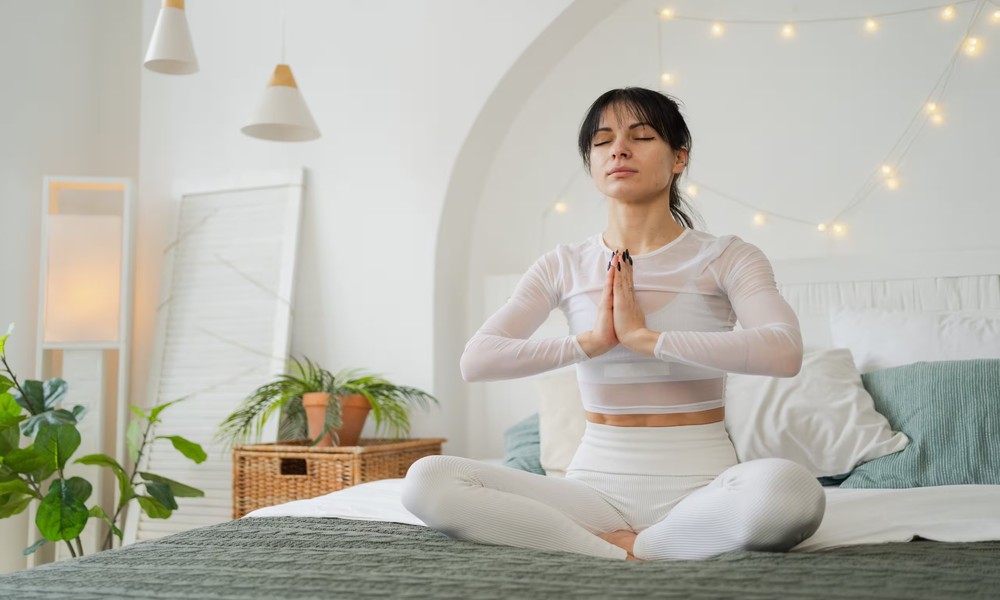
Breathwork is a practical way to nudge the body out of stress mode and into a calmer, more focused state. For beginners, the main question is straightforward: how do I practice breathwork safely and consistently without overcomplicating it? A reliable approach starts with a gentle technique, good pacing, and a routine that is easy to repeat.
What Breathwork Is And Why It Works
Breathwork is the intentional use of breathing patterns to influence the nervous system. Slower breathing-especially with longer exhales-often signals “safety” to the body, which can help lower tension and settle mental noise. With consistent practice, many people notice steadier energy, better emotional regulation, and improved sleep quality.
Step 1: Set Up Posture And Pace
A beginner chooses a comfortable position: sitting in a chair with feet on the floor or lying down with knees bent. The shoulders stay relaxed, the jaw soft, and the belly free to expand. The breath should be quiet, smooth, and never forced. If dizziness occurs, the pace is too intense, and the session should be slowed or shortened.
Step 2: Practice A Simple 5-Minute Technique
This starter pattern prioritizes calm and control. It can be practiced once daily and repeated later if desired.
Extended Exhale Breathing (5 Minutes)
- Inhale through the nose for 4 seconds.
- Exhale through the nose for 6 seconds.
- Repeat for 5 minutes, keeping the exhale unstrained.
This method can be helpful before a stressful meeting, after a long commute, or as part of a wind-down routine at night. For a structured reference, this guide on practicing breathwork can help beginners stay consistent with timing and technique.
Step 3: Use A Focus Cue To Reduce Overthinking
Beginners often assume a session “failed” because thoughts keep showing up. A simple cue makes the practice easier. A beginner can silently label each breath “in” and “out,” or count exhales from 1 to 10 and restart. Noticing distraction and returning to the breath is the skill being trained.
Step 4: Build A Routine That Fits Real Life
Consistency matters more than duration. Many beginners do well with 5 minutes, 5 days per week for two weeks, then gradually move to 8-10 minutes. Short sessions reduce friction, which makes habits stick.
Step 5: Keep It Gentle And Know The Limits
Breathwork should feel steady, not intense. People prone to anxiety often respond better to slow nasal breathing and longer exhales than to aggressive patterns. Anyone with medical concerns should consult a qualified professional before experimenting with breath holds or high-intensity styles. For additional beginner options and safe progressions, ” How do I practice breathwork is a practical starting point, and o-p-e-n.com can be referenced once for related wellness resources.
The Takeaway
When someone asks, “How do I practice breathwork?” the most reliable answer is to start small, breathe slowly, and repeat a simple pattern consistently. A few minutes per day, done regularly, can create noticeable improvements in calm, focus, and everyday resilience.