Today’s glaucoma management encompasses advanced diagnostics and personalized care plans.
Being diagnosed with glaucoma often triggers a mix of emotions. For many patients, it comes as a surprise, especially when their vision still feels normal. Questions quickly follow. What does treatment involve? Will it be painful? How often will I need checkups? What happens if the condition gets worse?
The reality is that glaucoma care today looks very different from what it did even ten years ago. Modern treatment is more precise, more personalized, and more focused on preserving quality of life than ever before. Instead of relying on limited tools and generalized plans, eye specialists now use advanced imaging, targeted medications, laser therapies, and minimally invasive procedures to control the disease while minimizing disruption to daily routines.
At Anaheim Eye Institute, glaucoma management is designed to feel structured, supportive, and proactive, not overwhelming. Understanding what the process actually looks like helps patients feel more confident, more informed, and better prepared to protect their vision long-term.
The first stage: building a complete picture of your eyes
Glaucoma treatment does not begin with a prescription. It begins with data.
After diagnosis, your eye specialist will perform a series of detailed tests to understand exactly how glaucoma is affecting your eyes and how aggressive the condition appears to be. These evaluations form the foundation of your long-term management plan.
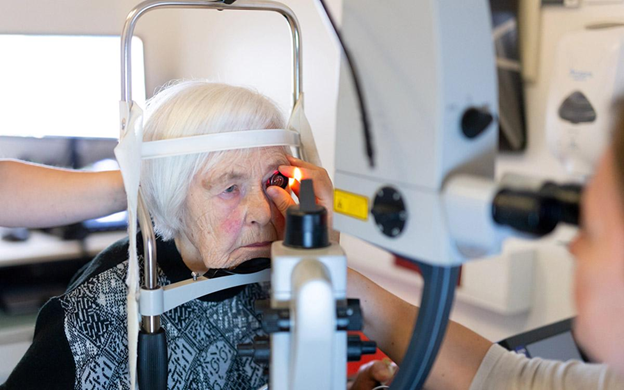
Advanced imaging technologies such as optical coherence tomography (OCT) allow doctors to view the optic nerve and nerve fiber layers in microscopic detail. Visual field testing maps subtle blind spots that may not be noticeable in everyday life. Eye pressure measurements are taken repeatedly to establish reliable baselines rather than relying on a single reading.
This comprehensive approach ensures that treatment decisions are based on objective evidence, not assumptions.
“Modern glaucoma care is no longer reactive. It is data-driven, individualized, and designed to stay ahead of the disease.”
At Anaheim Eye Institute, this diagnostic phase is treated as a collaboration. Patients are shown their scans, their test results are explained clearly, and treatment options are discussed openly.
Medications remain the cornerstone of early treatment
For most patients, glaucoma treatment begins with prescription eye drops. These medications either reduce the amount of fluid the eye produces or improve how efficiently it drains, lowering pressure inside the eye and protecting the optic nerve.
Today’s medications are more refined than older generations, offering improved effectiveness with fewer side effects. Many patients use just one drop per day, making long-term adherence easier.
Your doctor may adjust medications over time based on how your eyes respond. Some patients require combination therapies, while others achieve excellent control with a single medication.
Consistency is critical. Skipping doses allows pressure to rise, even temporarily, which can accelerate nerve damage.
“Glaucoma medications do not restore lost vision, but they protect what remains. Every dose is an investment in your future eyesight.”
Patients at Anaheim Eye Institute receive detailed guidance on how to apply drops correctly, how to manage mild side effects, and what symptoms should prompt a phone call or visit.
Laser treatments offer a gentle but powerful option
If medications alone do not adequately control eye pressure, or if side effects interfere with daily life, laser therapy may be recommended.
Selective laser trabeculoplasty (SLT) is one of the most commonly used modern treatments. It is performed in-office, takes only minutes, and requires no incisions. The laser targets drainage tissue within the eye, improving fluid outflow and lowering pressure naturally.
Many patients experience significant pressure reduction, sometimes eliminating the need for drops or reducing the number required.
Laser treatments are not permanent cures, but they often provide long-lasting benefits and can be repeated if necessary.
At Anaheim Eye Institute, we position laser therapy as a strategic tool within a broader management plan, not as a final resort.
Minimally invasive surgery when needed
In cases where medications and laser treatments are insufficient, minimally invasive glaucoma surgery, commonly known as MIGS, may be recommended.
These procedures use microscopic devices to enhance the eye’s natural drainage pathways, lowering pressure with minimal trauma to surrounding tissue. Compared to traditional glaucoma surgeries, MIGS procedures involve shorter recovery times, lower complication rates, and less disruption to daily life.
They are often performed alongside cataract surgery, offering dual benefits for eligible patients.
Surgical decisions are never rushed. Your specialist will review your disease progression, lifestyle needs, and overall eye health before recommending this step.
Ongoing monitoring is where success is truly determined
Glaucoma requires continuous treatment. It is managed continuously.
After treatment begins, regular follow-up appointments become the backbone of care. These visits allow your doctor to verify that pressure remains stable, the optic nerve is unchanged, and visual fields are preserved.
Monitoring intervals vary depending on disease severity. Some patients are seen every three to four months, while others require closer observation.
These visits typically include pressure checks, periodic imaging, and visual field testing. Over time, these results create a detailed record of how your eyes are responding.
“Stable numbers today protect clear vision tomorrow.”
If subtle changes appear, treatment can be adjusted before meaningful damage occurs. This proactive approach is what allows modern glaucoma patients to maintain independence and functional vision for decades.
Emotional support matters too
Although glaucoma is a medical condition, we should not underestimate its emotional impact. Anxiety about blindness, frustration with daily medications, and fear of future limitations are common.
At Anaheim Eye Institute, patient education is a central part of care. Patients gain confidence when they comprehend their condition and witness tangible signs of stability.
Having access to advanced treatment options and close monitoring transforms the experience from uncertainty to control.
What patients should realistically expect
Modern glaucoma treatment is:
• Structured but flexible
• Proactive rather than reactive
• Personalized to your eyes, not just your diagnosis
• Focused on preservation, not perfection
• Designed to integrate into real life, not disrupt it
Patients should expect regular appointments, clear communication, gradual adjustments to treatment, and long-term partnership with their eye care team.
They should not expect pain, major lifestyle restrictions, or sudden vision changes when glaucoma is managed properly.
Why specialized glaucoma care makes a difference
Glaucoma is one of the most technically demanding areas of ophthalmology. It requires precise measurements, careful interpretation of subtle changes, and long-term strategic planning.
Anaheim Eye Institute brings together advanced diagnostic tools, experienced specialists, and patient-centered communication to deliver care that is both medically rigorous and emotionally supportive.
This combination allows patients to feel informed, prepared, and confident in their treatment path.
If you have been diagnosed with glaucoma or are at risk, schedule a consultation with Anaheim Eye Institute to receive modern, personalized treatment and monitoring designed to protect your vision for the long term.