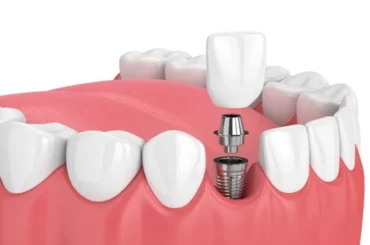
Dental implant prices can differ enormously from one patient to the next, even for what looks like a similar case on the surface. Rather than being random, that variation traces back to a handful of specific factors that any dentist can walk a patient through during a consultation. Understanding these factors ahead of time makes it much easier to interpret a quote and to know which parts of a treatment plan are negotiable.
Before choosing an implant treatment plan, patients often wonder what their dental implants cost will be and which parts of the procedure have the greatest impact on the final bill. The total can include more than the implant itself, with expenses potentially covering consultations, diagnostic imaging, surgery, abutments, crowns or other restorations, and follow-up care. Reviewing each component with the dental provider can help patients understand the estimate, compare treatment options, and avoid unexpected charges later.
Number and Type of Implants
A single missing tooth requires only one implant post, while replacing an entire arch may call for anywhere from four to eight or more, each adding its own surgical and material cost. Speciality implants, such as longer zygomatic implants used in cases with severe bone loss, cost more than standard designs.
Bone Health and Preparatory Procedures
Implants need a certain amount of healthy jawbone to anchor into securely. Patients who have lost bone density, often after years without a tooth in that spot, may need a bone graft or sinus lift before implants can be placed, and those procedures carry their own separate fees.
Restoration Material
The crown, bridge, or full-arch prosthesis attached to the implant can be made from several different materials. Acrylic is the most budget-friendly option, porcelain-fused options sit in the middle, and zirconia, which is prized for durability and a natural look, sits at the top of the price range.
Provider Experience and Practice Location
Specialists with advanced training in implant surgery often charge more than general dentists, though many patients find the added expertise worthwhile for complex cases. Clinics in major metropolitan areas also tend to charge more than those in smaller cities, reflecting higher overhead.
Sedation and Aftercare
IV sedation, imaging such as a CT scan, and follow-up visits during healing are often priced separately from the implant itself and can add a noticeable amount to the total treatment cost.
Patients who prefer local anaesthesia alone typically pay less than those who opt for deeper sedation, though the right choice usually depends on the complexity of the surgery and personal comfort level rather than cost alone.
Insurance and Payment Structure
Standard dental insurance frequently treats implants as an elective procedure and may only contribute toward the crown portion rather than the implant post itself. Because of this, the way a patient chooses to finance the remaining balance, whether through a payment plan, a medical credit card, or a health savings account, can shift the effective cost even when the underlying treatment is identical.
Conclusion
No two implant cases are priced identically because no two mouths present the same combination of these factors. Walking through each one with a treating dentist and asking for a written breakdown rather than a single lump sum is the clearest way to understand exactly what is driving your particular quote.